

‘Not as Sweet as You Think’ - London Museum Docklands exhibition launches with new insights from Action on Salt & Sugar
Sugar harms continue, despite its shameful history rooted in slavery and exploitation and its long-standing impact on health and environments. In London Museum Docklands' fascinating exhibition, Action on Salt & Sugar provide new insights into how sugar has shaped our past, our health outcomes and how it continues to influence health and diets today. 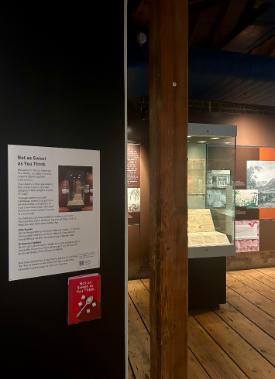
To best understand how we reduce sugar consumption today, we must recognise where it comes from. Working with London Museum Docklands, alongside Caribbean community partners and researchers, Dr Kawther Hashem, Head of Research and Impact at Action on Salt & Sugar and Senior Lecturer in Public Health Nutrition has contributed new expert insights to the installation, ‘Not as Sweet as You Think’.
The exhibition traces sugar’s journey from its introduction to European palettes as a medicinal ingredient, to its exponential demand to become a frequent part of British diets. Fuelled by a mass production built upon the Transatlantic trade of enslaved African people, this demand inflicted immense human suffering, while transforming entire landscapes into sugar plantations and reshaping global agriculture.
The installation also highlights how sugar’s influence has prevailed. Today, despite government advice to reduce sugar consumption, vast areas of agricultural land stay dedicated to sugar beet production, contributing to soil loss and reducing land available for alternative healthier crops. At the same time, sugar remains a common ingredient in many processed foods, and the UK continues to consume far more than recommended. Young children eat and drink twice the recommended level of free sugars, increasing their risk of obesity, tooth decay and type 2 diabetes, while placing additional pressure on healthcare systems.
The new insights feature throughout the exhibition and in an accompanying booklet available to visitors. Not as Sweet as You Think is free to visit and runs until October 2026.
Find out more and plan your visit on the museum website.
